
Okay, so check this out—I’ve used a handful of browser extension wallets over the years. Wow! Some were clunky, others were slick but felt flimsy. My instinct said “security first,” though I kept getting pulled by shiny features that promised convenience. Initially I thought convenience and security couldn’t coexist well, but then one wallet changed that perspective for me.
Whoa! The first time I opened my extension and saw a clean, thoughtful UI I relaxed a little. Seriously? Yes. The onboarding felt straightforward without dumbing anything down, which, to me, is rare. On the one hand wallets often trade usability for safety; on the other hand, some teams actually manage both—though it takes attention to detail and real user testing.
Here’s the thing. I was skeptical at first because browser wallets sit on a risky surface—the web browser itself—so any extension must be meticulous about permissions and isolation. Hmm… my gut felt a little twitchy when I saw permissions lists like a long legal contract. But then I watched how this particular extension handled transaction approvals, and something felt off in the best way possible: it nudged you to review more, not less.
I want to be candid—I’m biased, but security patterns matter to me. I’m not 100% sure of every implementation nuance, though I do know common failure modes. For example, many wallets blur the contract data; they show a token name and a number and you click accept. That part bugs me. A well-built extension will clearly show allowances, the exact function calls, and the risks—so you can say no when you should.
Really? Yes—read that twice. Wallet UX that forces educated micro-decisions actually helps users avoid rug pulls and approvals gone wrong. At the same time, not everyone wants to be a blockchain analyst for every transaction, so the best wallets use layered interfaces that let novices move quickly while offering experts deep detail. This balance is rare, but worth hunting for.
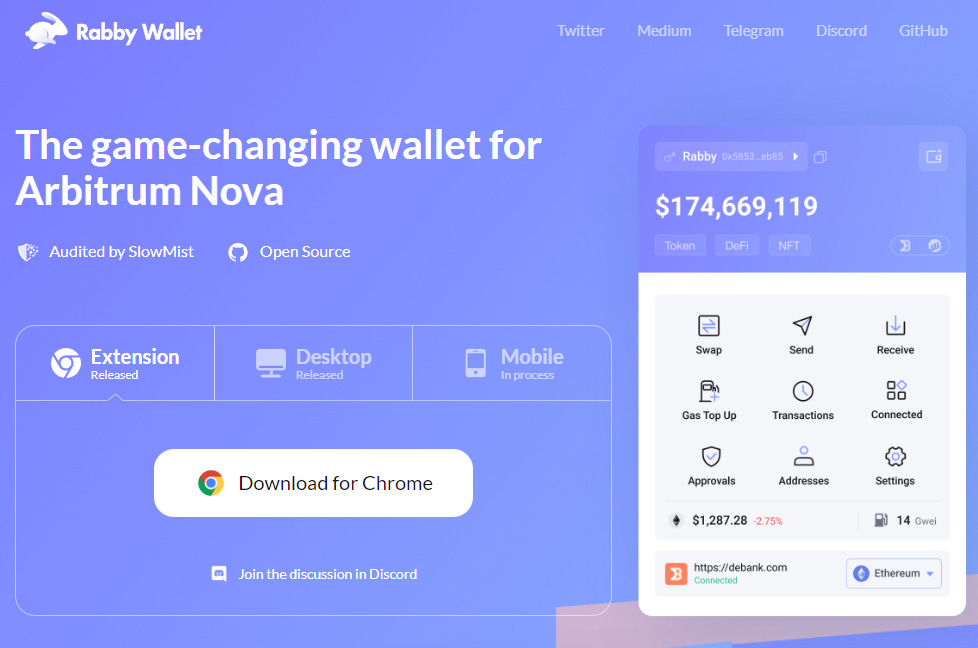
How the Right Extension Actually Feels
Whoa! The flow matters more than you think. On first use, setup should take minutes, not hours, and seed phrase handling must be explicit. My first impressions were: clear copy, step-by-step guidance, and visible warnings about phishing and backup. Then I dug deeper—permissions were minimal, approvals were contextual, and the extension offered network management that didn’t require me to be a config jockey.
Initially I thought extra features like gas suggestions or built-in swaps were gimmicks. Actually, wait—let me rephrase that: features can be helpful if they’re implemented safely and with user control. On one hand built-in aggregators speed trades, though actually some aggregators route through sketchy middlemen. On the other hand, a good wallet will give route transparency and let you opt out. My instinct said to trust but verify, and this wallet made verification easy.
I’m biased toward multi-account workflows because I manage funds differently for staking, trading, and experiments. Oh, and by the way, nice account separation saves headaches during tax time. The extension I liked supports multiple identities without leaking cross-account metadata, which is a subtle but important privacy win when you operate across chains and dapps.
Something else hit me: recovery UX is underrated. A lot of wallets shove seed phrases into a modal and move on. That makes me nervous. This extension walked me through offline storage options and suggested writing the phrase down physically—yes, a bit old-school, but very practical. It’s a small detail, but when you actually need recovery, those small details become huge.
Wow! Also, wallet performance matters—extensions that hog memory or slow browser tabs are a non-starter for me. This one ran lean and kept my dev tools from freaking out, which is a pragmatic comfort I didn’t anticipate appreciating so much.
Installing and Trying It (Practical Steps)
Okay, so if you want to check it out, here’s a practical, no-nonsense route I used. First, verify the extension source and the download page carefully—phishing copies exist. My rule: always go to an official site or a well-known listing. If you prefer a quick link, consider this direct resource for a safe start: rabby wallet download. Take your time, and don’t rush the permissions step.
Really? Absolutely—pause at permissions. If an extension asks for broad host permissions globally, I question it. Some wallets request “access to all websites” to inject into pages, which can be dangerous. Instead, grant access per-site when possible, or use tighter settings. Initially I toggled broad access for convenience, but later scaled it back to per-site to tighten security.
One more practical tip: start with small amounts. Seriously, send a few cents first. That test transaction verifies the flow without exposing significant funds. I did that and discovered a tiny UX quirk which I reported; the team replied within days and pushed a fix—good signal. Community responsiveness is a telltale marker of a healthy project.
On the technical side, check for hardware wallet support if you’re handling meaningful sums. On one hand software-only wallets are convenient, though on the other hand hardware-backed keys drastically reduce attack surface. This extension supports hardware integration, which for me was essential before moving funds in larger sizes.
Hmm… I should add that backups and export tools matter too. Exporting keys is tricky and should be avoided unless necessary, but when you do need it, clear warnings and encrypted exports are must-haves. The wallet provided both—again, small features piling up into real trust.
What I Liked and What Still Bugs Me
Whoa! I liked the contextual approvals and the clear UI, but somethin’ about notification sprawl still bugs me. The extension sometimes shows multiple banners for the same event, which feels like over-notifying. I’m not 100% sure if that came from app settings or dapp behavior, but it made me mute certain alerts.
On the plus side, the transaction simulation feature—where the wallet estimates potential outcomes before signing—was incredibly useful. It reduced surprise failures and saved me gas. Initially I thought the estimates could be optimistic, but the simulations matched real results more often than not. That reliability builds confidence over time.
Another pro: the team seemed transparent about audits and bug bounties. Though audits aren’t a silver bullet, knowing where the code has been looked at, and seeing active bug-hunt programs, changes my risk calculus. I felt better seeing that than a shiny marketing page with zero technical detail.
On the flip side, mobile sync was a bit rough. The desktop extension is great, but the mobile companion app still needs polish. On one hand I want seamless sync across devices, though actually true end-to-end sync without exposing seeds is complex. The developers are iterating, but for now I treat mobile as secondary and keep my main work on desktop.
Here’s what else—community tooling matters. Extensions that integrate with block explorers or let you copy raw calldata make life easier when troubleshooting. That level of tooling felt like it was built by people who actually use DeFi daily, not by marketing teams. That resonated with me.
FAQ
Is a browser extension wallet safe enough?
Short answer: yes, when combined with good practices. Use hardware wallets for large holdings, limit extension permissions, verify downloads, and start with small transactions while testing the flow. Also, prefer extensions that show clear approvals and offer hardware integration to reduce risk.
Can I use this wallet across multiple chains?
Yes, it supports multiple EVM chains and some layer-2s. But chain support varies by version, so check the network list and the team’s roadmap if you rely on a less-common chain. My practical tip: add one chain at a time and test transfers before moving big amounts.
Okay, to wrap this up—I’m leaving a different person than when I started reading about browser wallets that claim to balance security and usability. At first I was jaded by too many half-baked extensions, but trying a more thoughtful option shifted my view. I’m not blind to remaining issues, and some rough edges persist, but the overall approach matters: prioritize clear approvals, limit permissions, support hardware keys, and keep the UI honest.
I’m biased, and maybe a little picky, but these are the trade-offs that matter when real funds are at stake. If you give it a spin, start small, read every prompt, and report anything odd. Oh—one last thing—stay curious, but stay cautious. The space moves fast, and so should your vigilance.